Sold on Being You: How Brands Turned Self-Expression Into a Price Tag
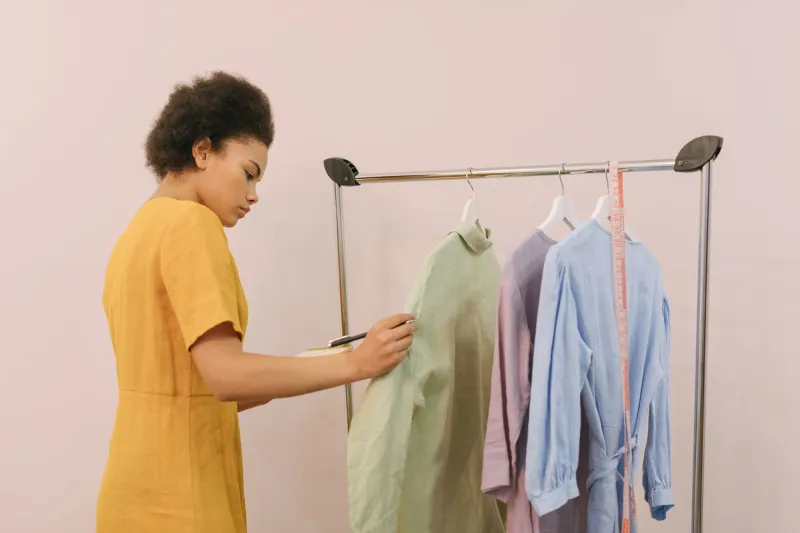
Let's start with a scenario that probably sounds familiar. You're scrolling at midnight, and an ad stops you cold. The person in it looks effortlessly themselves — no filter energy, cool apartment, the kind of lived-in confidence you've been quietly chasing. The caption says something like 'For people who don't follow trends.' And the product? A $148 linen tote bag.
You almost bought it, didn't you? Don't worry. So did a lot of us.
That moment — that specific feeling of this brand gets me — is not an accident. It's an entire industry. And once you see the machinery behind it, you genuinely cannot unsee it.
The Business of Feeling Real
Here's the uncomfortable truth: authenticity is one of the most aggressively marketed concepts of the last decade. Brands, influencers, and wellness platforms have collectively figured out that Americans are hungry to feel like themselves — genuinely, deeply, unperformatively themselves — and that hunger is incredibly easy to monetize.
The formula isn't complicated. Take a universal human desire (to be seen, to feel grounded, to express who you actually are), wrap it in language that sounds anti-commercial ('no rules,' 'just you,' 'real people'), and attach a price point. Suddenly, buying a thing feels like an act of self-discovery rather than a transaction.
Fashion does this constantly. A brand drops a campaign featuring 'real bodies' and 'unfiltered stories,' then charges $200 for a hoodie. Wellness is even more brazen — the supplement industry alone has built entire empires on the promise that the right powder or ritual will finally help you access your truest self. Even digital spaces are in on it. Paid courses, membership communities, and curated content subscriptions all sell some version of the same thing: you, but figured out.
The tax you're paying isn't just financial. It's psychological. Every time you buy into the idea that self-expression requires a specific product, you're quietly reinforcing the belief that who you are — without the purchase — isn't quite enough yet.
Why It Works So Well on Us
Consumer psychologists have a name for what's happening here: identity-based marketing. Instead of selling you a product's features, brands sell you a version of yourself. You're not buying a journal — you're buying the identity of someone who reflects, who grows, who has their life together enough to sit quietly with their thoughts every morning.
This works especially well in the US, where self-improvement is practically a cultural religion. We are a nation of people who genuinely believe we can optimize our way to a better life, which makes us prime targets for anything that packages personal growth as a product. Add in social media — where performing authenticity has become its own aesthetic — and the pressure to buy the right things to signal the right self is basically constant.
The cruel irony? The more you chase curated authenticity, the further you tend to drift from your actual instincts. You start filtering your preferences through what seems appropriately 'you' according to the mood boards and algorithm-fed content you've been consuming. Real taste gets buried under layers of aspirational purchasing.
What Genuine Self-Expression Actually Looks Like
Here's the thing nobody's trying to sell you: your actual style, your real preferences, your genuine sense of self — they already exist. They don't need to be unlocked with a purchase. They need to be noticed.
That sounds almost insultingly simple, but the practice of it is genuinely countercultural right now. Noticing what you already love, what you already reach for, what already makes you feel like you — that's free. And it's the most effective style and wellness advice out there.
A few ways to start doing it:
Pay attention to what you already own that makes you feel good. Not what you bought with the most intention, or what cost the most, or what got the most compliments. What do you actually feel like yourself in? That's data. Use it.
Give yourself a no-buy window before any 'self-expression' purchase. If you see something that feels like so you, wait 72 hours. If it still feels essential after that, fine. But often, the urgency was manufactured by the marketing, not by any real need.
Unfollow the accounts that make you feel like your current self is a project. This one stings, but it's worth it. There's a specific kind of content creator whose entire brand is aspirational self-improvement — and consuming their content consistently makes you feel like you're perpetually one purchase away from being the person you want to be. That's not inspiration. That's a drip feed of low-grade inadequacy.
Borrow before you buy. Whether it's a friend's wardrobe, a library's collection of wellness books, or a free trial of a digital platform — test the identity before you invest in it. A lot of 'this is so me' moments don't survive actual contact with the thing.
The Real Cost of the Authenticity Trap
Beyond the money (and it does add up — Americans spend billions annually on self-improvement products and services), there's a subtler cost to constantly buying your way toward yourself. It trains you to distrust your instincts. It makes self-knowledge feel like something you have to earn or purchase rather than something you already have access to.
It also makes genuine self-expression harder to recognize when it shows up. If you've spent years curating an aesthetic based on what feels appropriately authentic according to the internet, your actual preferences can start to feel boring or insufficient by comparison. The algorithm-approved version of you is always a little more polished, a little more coherent, a little more marketable than the real thing.
But the real thing is the whole point. The slightly chaotic, hard-to-categorize, not-perfectly-curated version of your taste and your style and your sense of self — that's not a problem to be solved. That's just you. And you don't owe anyone a purchase to prove it.
Opting Out (Without Opting Off the Grid)
None of this means you can't enjoy fashion or wellness or the occasional splurge on something that genuinely brings you joy. The goal isn't to become a hermit who buys nothing and trusts no brands. It's to get clear on the difference between I actually want this and I've been convinced I need this to be myself.
That distinction — quiet, internal, easy to miss when you're deep in a scroll — is worth protecting. Because once you can feel it reliably, the whole game changes. You stop paying the authenticity tax. And you start spending, dressing, and living in ways that actually reflect who you are, rather than who someone else decided you should want to be.